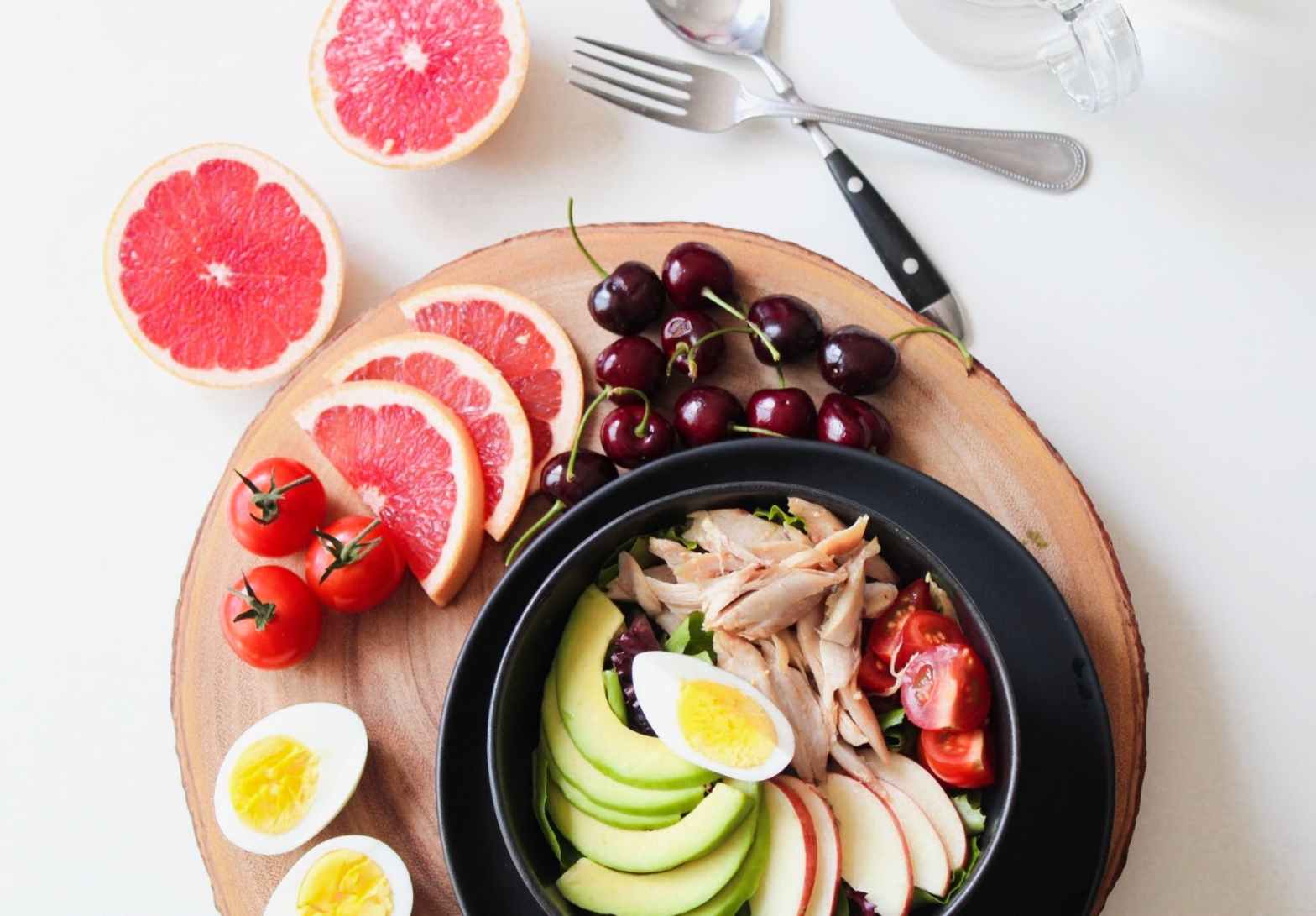
When you think of the word iron, you might be thinking “lifting iron,” or think about the actual metal element on the periodic table. Truth be told there is iron in your foods, and for good reason.
Iron has a major job within the body, to carry oxygen to all body cells. Without enough iron we can’t function to our fullest capability. This involves more than just the ability to breathe, such as brain function, growth, repair tissue damage, and digestion to name a few. Increased iron needs are for individuals who are: women of child bearing age, pregnant women, children (especially from womb to 2 years old), those who donate blood frequently .
For more major concerns with iron deficiency is related to those who have had major blood loss, cancer, gastrointestinal disorders, and bariatric surgery patients, and for people who have a genetic anemia trait.
How can you ensure you are consuming enough iron?
Iron rich foods
Animal sources of iron include: heme-iron (iron within these foods is readily digestible)
- Eggs
- Beef
- Poultry
- Fish, shell fish
- Pork
Non animal sources of iron rich foods include: non heme-iron
- Iron fortified cereal
- Beans/ legumes: kidney beans, lima beans, garbanzo beans or chickpeas.
- Seeds: pumpkin, squash, sesame
- Peanut butter
- Soybean
- Tofu
Another crucial element if you have low iron is to consume iron rich foods with Vitamin C rich foods. Vitamin C can help the body absorb the iron from the food.
Bell peppers
Tomatoes: in all forms, juice, whole fruit, sauce. (no ketchup doesn’t count!)
Citrus fruits: includes the zest, juice and whole fruit
Berries
Broccoli
Cauliflower
Cabbage
Resources for more information check these websites out!
 Megan Training and Nutrition