Featured

Heart Health Month <3

Feburary is National Health Month and although we may think about healthy eating habits and cariovascular workouts but there is alot more to it than that.

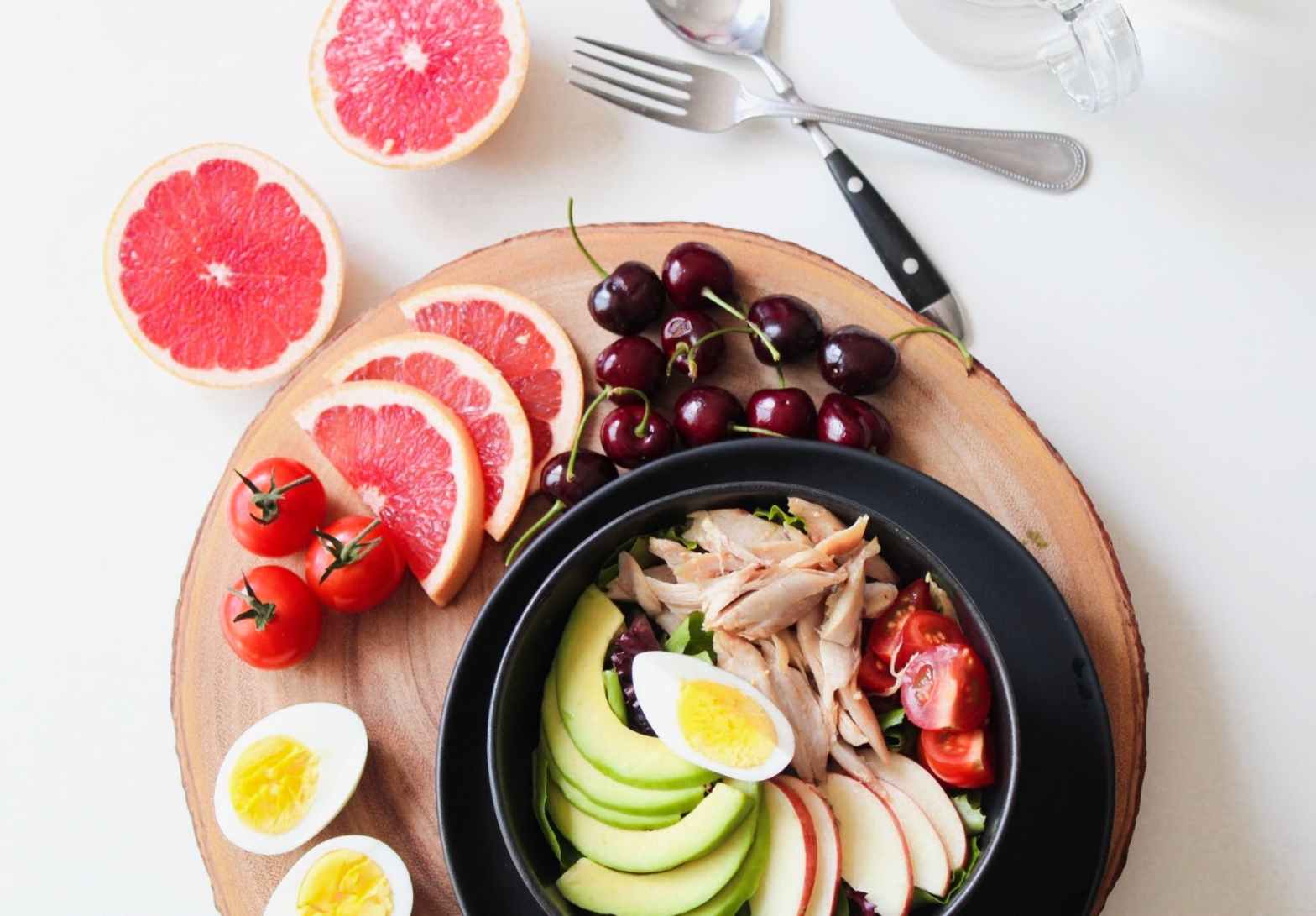
Photo by Karolina Grabowska on Pexels.com

Blood pressure has a lot to deal with heart health. We all know having high blood pressure can cause wear and tear on arties and veins within the body but also the heart.

High blood presure can be caused by diet, stress, and other comorbidities. Diet usually high in sodium increases the pressure within the vasculature. Normally, this not as much of a problem when drinking plenty of water (helps the body flush toxins and waste). The problem occurs when there is little water consumed, this can cause build up of fluid retention and unecessary pressure.

Food for thought here: What do you do when you want to make pasta and you want the water to boil faster? You add salt right? In a simplified sence the salt acts in a way to increase the action of the water heating up. Similar process within our body. High sodium consumption diet and less water makes the blood more concentrated.

Watch out for these 3 things that can increase your sodium

  • sauces and condements
  • baked goods : breads and pastries
  • canned and processed foods

By the way did you know when you sweat, the sweat is coming from the “water within the blood,” the body is amazing!

Okay, so now we have high sodium, low amount of water from consumption and now we hardly move …….? This is where the damage can occur.

What two actiones can you do aout this??????

HYDRATE: with about 3-4 liters per day **start early**

STAY ACTIVE: at least about 150 minutes per week

This can be spread out throughout the week

It’s all about taking small steps in the right direction.

Comment below what steps you are taking for your heart health!
Leave a comment

Featured

Lost When Looking at Food Labels?

Food labels are one of the biggest things to read when you are monitoring your diet, whether your goals are to improve performance, health, weight loss and or weight gain. However, you can get lost within the tiny print in terms of calories, macros, sodium but how do you apply this tiny printed information??

3 MAJOR THINGS TO LOOK FOR ON A FOOD LABEL

  1. Calories per serving: making sure you see how many servings are within the package can make all the difference when consuming the food within the package.
  2. Macronutrient grams: Macronutrients are your Carbohydrates, Proteins, and Fats. Looking at the ratio of these macronutrients can help you determine
  3. Ingredients list: Looking at the ingredients list, whatever is listed first within the list is what the food product is mainly made up of.

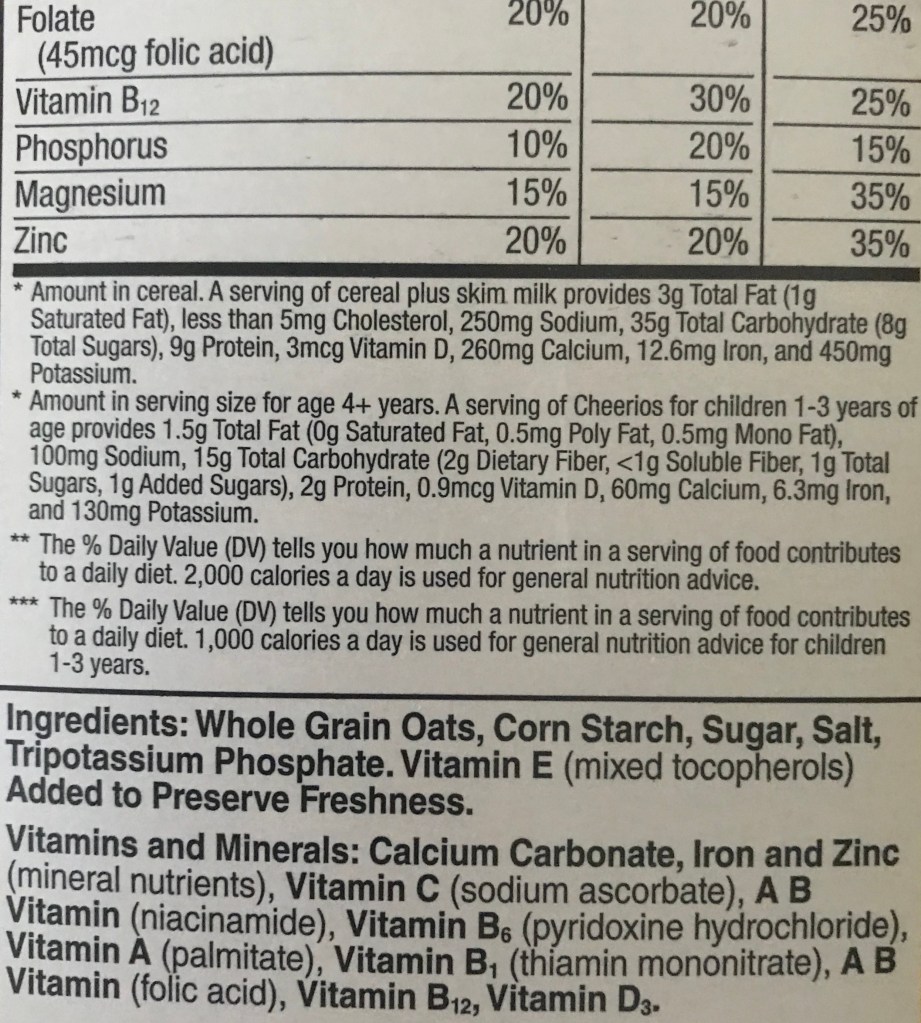
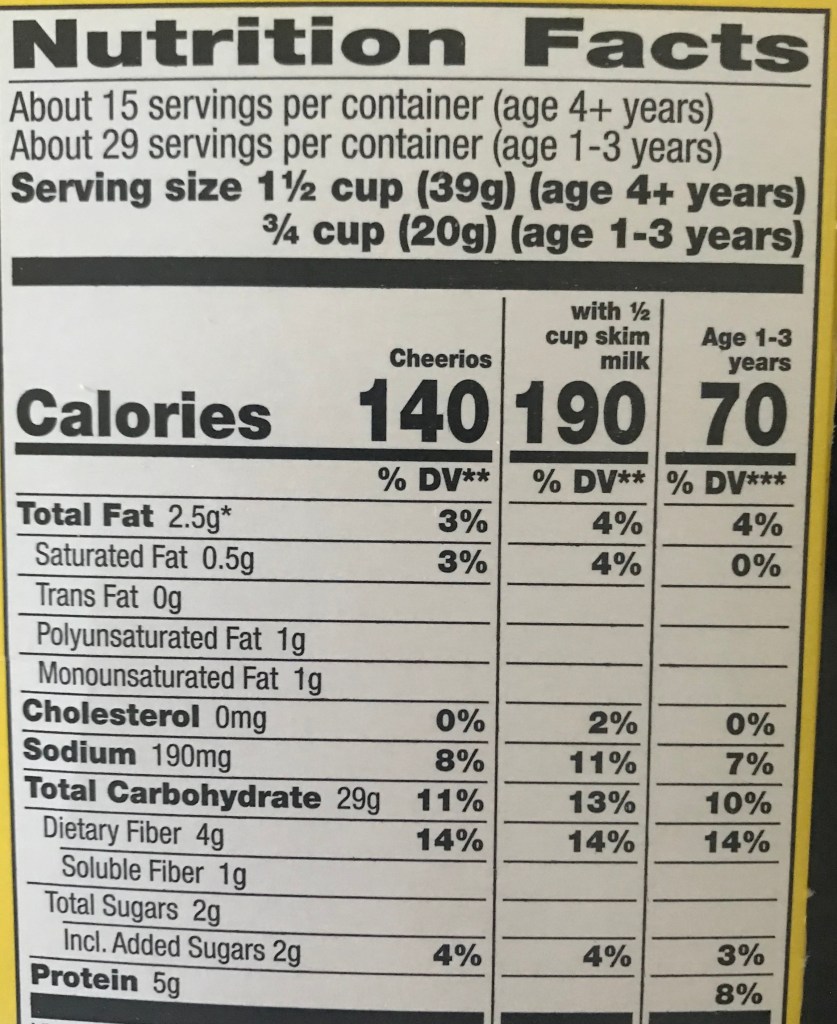
New food label of Cheerios.

  • At the top of the label shows how many servings per container and what amount is a serving.
  • The macros for a serving of cheerios it is the number of grams of the total fat, total carbohydrates, and protein.
  • The beginning of the food list shows what the food is mainly made up of. Even though this food only has 2g of sugar, it is one of the top 5 ingredients that makes this product. This is something to keep in mind if you are watching sugar or sodium within your diet.
Featured

Lean Proteins

Protein is a big topic and for good reason! Protein is responsible for many metabolic processes including muscle building, immune function, acid/base balance, hormones, and the list goes on and on. However, are you choosing the right protein sources for you?

First lets get into what makes a lean protein. The term “lean protein” means lower/reduced fat content version compared to what would be a typical protein source. a simple example is baked chicken compared to fried chicken.

Lean Protein sources to include in throughout your day.

  • Poultry: chicken, turkey, duck (white or dark meat have high nutrient density, avoid consuming the skin of wings and drumsticks )
  • Beef: cuts usually with less fat: top round, bottom round, flank steak,
  • Fish: fresh fish such as flounder, halibut, white fish, mahi, even salmon, tuna, sardines, the list can truly go on and on.
  • Shell fish/ crustaceans: shrimp, crab meat, lobster, crawfish, scallops, oysters
  • Egg/ Egg whites
  • Low fat dairy: 2%. 1% skim milk products, low fat cheeses, yogurts, and cottage cheese.
  • Plant based: nuts, nut butters (low fat versions), seeds, legumes, beans, soy, tofu,
  • Vegan: nutritional yeast, mushrooms, aquafaba, quinoa, protein fortified plant based beverages, soy/ pea plant based protein supplements
  • Supplements: whey, casein, collagen (Remember Foods First!)

Protein foods that are unnecessary high in fat

  • Pork/ bacon products
  • Higher fat contents of beef: cuts of beef with high marbling.
  • Poultry with skin
  • Full fat dairy products
  • Cooking styles such as cooking with butter, lard, margarine, deep/pan fried foods.

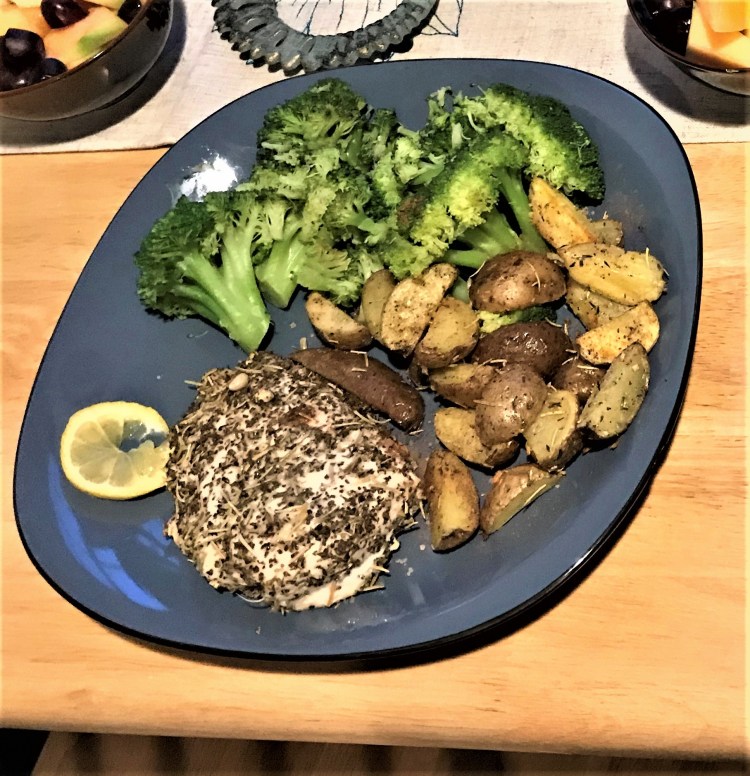
Addressing your cooking technique can enhance the natural flavor of foods.

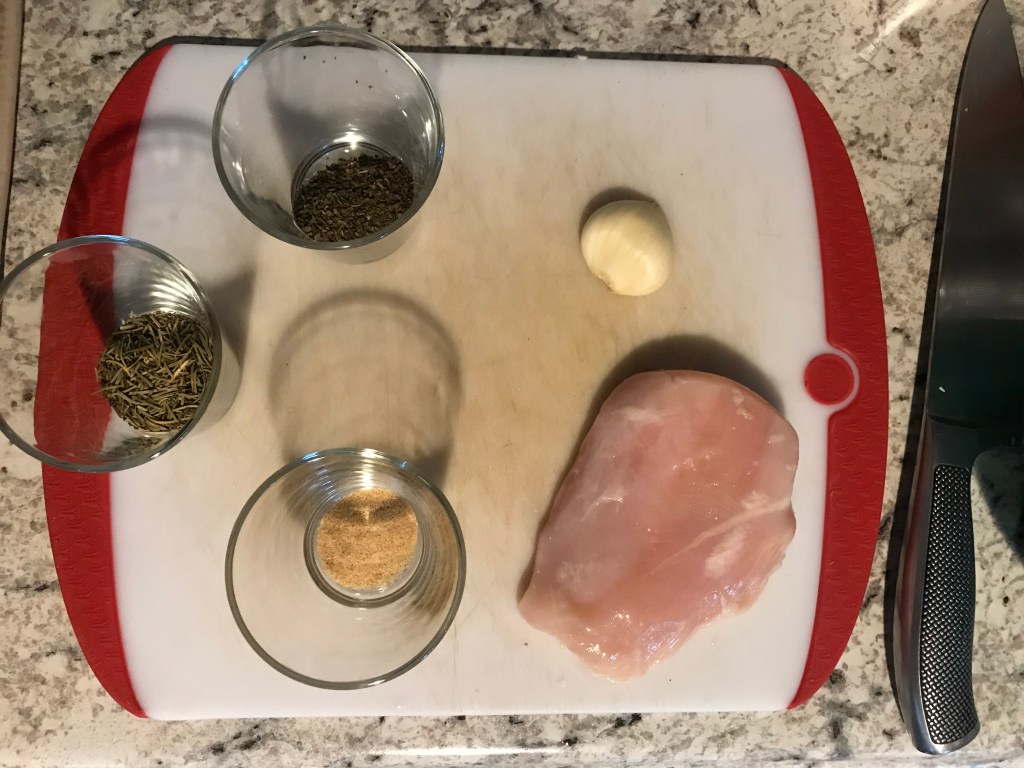
Baked chicken ingredients: fresh minced garlic clove, dried rosemary, basil, onion powder, salt and pepper to taste.

Once these ingredients are mixed together coat chicken breast or any other meat you are preparing bake in oven for 30-45 mins 350 degrees.

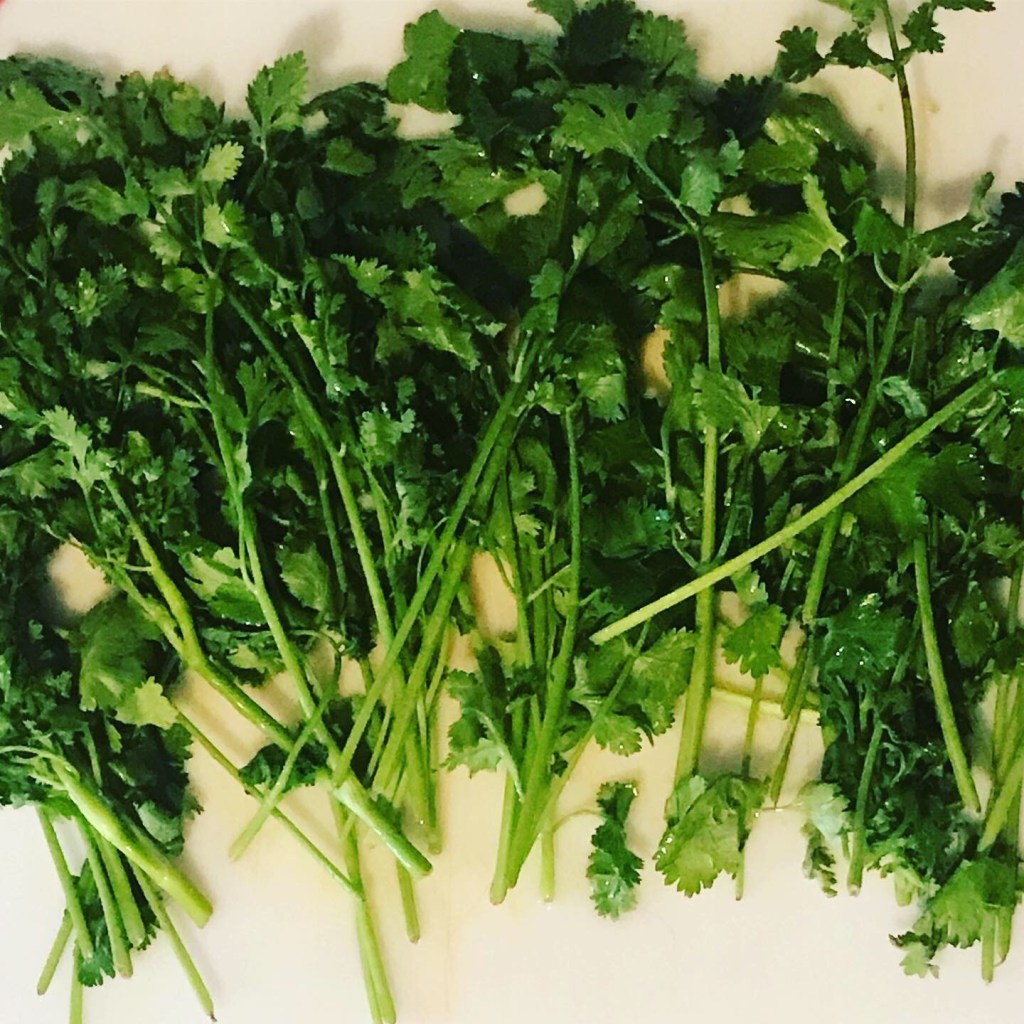
Herbs can also enhance flavors of various vegetables and starches.

For fuller flavor of fresh herbs crush and press to express the natural oils before adding to foods.

Featured

Eating Enough Iron?

When you think of the word iron, you might be thinking “lifting iron,” or think about the actual metal element on the periodic table. Truth be told there is iron in your foods, and for good reason.

Iron has a major job within the body, to carry oxygen to all body cells. Without enough iron we can’t function to our fullest capability. This involves more than just the ability to breathe, such as brain function, growth, repair tissue damage, and digestion to name a few. Increased iron needs are for individuals who are: women of child bearing age, pregnant women, children (especially from womb to 2 years old), those who donate blood frequently .

For more major concerns with iron deficiency is related to those who have had major blood loss, cancer, gastrointestinal disorders, and bariatric surgery patients, and for people who have a genetic anemia trait.

How can you ensure you are consuming enough iron?

Iron rich foods

Animal sources of iron include: heme-iron (iron within these foods is readily digestible)

  • Eggs
  • Beef
  • Poultry
  • Fish, shell fish
  • Pork

Non animal sources of iron rich foods include: non heme-iron

  • Iron fortified cereal
  • Beans/ legumes: kidney beans, lima beans, garbanzo beans or chickpeas.
  • Seeds: pumpkin, squash, sesame
  • Peanut butter
  • Soybean
  • Tofu

Another crucial element if you have low iron is to consume iron rich foods with Vitamin C rich foods. Vitamin C can help the body absorb the iron from the food.

Bell peppers

Tomatoes: in all forms, juice, whole fruit, sauce. (no ketchup doesn’t count!)

Citrus fruits: includes the zest, juice and whole fruit

Berries

Broccoli

Cauliflower

Cabbage

Resources for more information check these websites out!

National Nutrition Month

You may doubt yourself for growing your own produce, however it is much more possible than you think.

There is nothing better than having fresh herbs to cook and enjoy with your meals and they are easy to grow.

I have been in love with my indoor garden for my fresh herbs. I must say basil and dill grow crazy fast so, I will be looking into recipes on how to use these herbs the most.

I like to keep things simple, basic and healthy is a combination of lemon juice, salt, and pepper Olive oil and chopped up fresh basil brings a nice flavor to chicken dishes. You can also add these two pasta‘s rice potatoes, or can make your own salad dressings. Also doing this as a shout out for national nutrition month as this is one of their themes of container, backyard, garden, ideas, and how to grow your own food hydroponics was first talked about when I was in undergrad and I thought how cool is it to basically grow plants in water and they take up less space. This hydroponic system I have here was a gift at Christmas time and I was so excited to get it started. It only took two weeks before I started to see some usable growth.

The fascinating thing about dill is new sprigs are coming up from where I’ve clipped the old ones . And after already clipping a heap off of the basil, a lot has already grown back this past week.

I am planning on gardening this year, more berries and herbs for sure. I am planning on developing a outdoor hydroponic system or plant tower to grow more greens. I have also been hearing more about micro greens, how quick and easy they are to grow but what also a better way to eliminate waste through a compost pile. Before i dig (haha no pun intended #dryhumor) more into the gardening side of nutrition and national nutrition month, this was one of their themes to encourage growing produce at home or gardening. Not saying you have to go as far as a farmer John type of deal. BUT being able to grow something as small as herbs can help increase flavors and encourages family engagement with the whole food preparation process. Especially for kids to see how things grow does more for them than the taste.

30 Day Transformation Challenge

This includes weight loss coaching calls weekly Learn how to manage your macros Develop the right training program for you

$99.00

Training Around Pain: Client’s edition.

Listen to the most recent episode of my podcast: Training Around Pain https://anchor.fm/megan-breza-patchell/episodes/Training-Around-Pain-e200idc

Deeper discussions on topics covered in blog and beyond. Comment below on topics you’ll like insight on within the crossroads of fitness and nutrition.

Check out my podcast, Megamealprepfit , on Spotify! https://open.spotify.com/show/1Xf8bRQK2NNULIhJACXbKY

Whole hearted <3

Along with the theme of this month Heart Health Month, we should probably go into how the heart works. The heart is an actual muscle. In order to keep muscles strong it is a use it or lose it game. But dont we use our heart every day and it beats all the time??? Well … yes but there are ways to strengthen it.

Photo by Allec Gomes on Pexels.com

Blood Flow: Muscle contraction

The Blood flow gets pumped out of the heart becuase it is a muscle.

Isint there the phrase “use it or lose it?”

It has to be strong enough to pump the blood all the way down to our toes and all the way back up to the chest, working against gravity. Over time without adequate activity and exercise this mechanism becomes weaker. That’s when you see people’s lower limbs discolored and swollen, the heart isn’t strong enough to get that fluid back to the heart. When blood pools, that’s also the waste sitting there causing damage to the tissue.

Hydration hiatis

Did you know if you are dehydrated it sends signals in the body to drop blood pressure? In a simple sense. when the blood is thicker, the blood moves slower causing the heart to work harder. this is when there can be a drop in blood pressure, for th ebody to maintain constant blood flow. ew

This is a picture of me from five years ago where I had a heart monitor on when I was having issues because of three things I was missing. I was missing adequate sleep adequate hydration and I wasn’t moving. The heart issues was syncope where I was passing out for no reason and the last time lead me to wanting to further check myself since I had hit my head so hard I counldn’t read the numbers on my phone to call for help. This is me in my 20’s ! This shouldnt be an issue! This had happened to me 5 times before!

Three ways to keep up your heart health pump!

  • Move more : especially if you are not currently
    • of you have to be at your desk all day, stand
    • choose the stairs over elevator
    • plan a walk or activity with family during weekends (encourage not demand)
  • Hydrate more: chronic dehydration or over caffeinated
    • drink a glass of water before coffee
    • choose decaffinated teas if you need a warm liquid

Have you ever had issues like this with a friend or client ??

Leave a comment

Protein Pancakes!

Cooler weather calls for warmer dishes!

Normally…… I love to create different morning post-workout shakes are my “go to,” because it is easy to drink while traveling (especially before work). But now with cooler weather, wanting to enjoy the same flavor but in a different form can still be done with protein pancakes!

By the way there are different ways to increase protein in pancakes/ oatmeal/ muffins/ shakes with and without protein powder.

  1. Utilizing a protein powder: vegan powders are usually better for cooking/baking purposes (also can be easier to digest) than whey or casein protein. (Warning if you microwave oats with whey protein you will have a foam like puff).
  2. Using egg whites or egg white substitute: If you are completely vegan using aquafaba (canned chickpea juice) can give you the same texture as using egg whites. Egg whites in general are used as a leavening agent for baking products, therefore with more egg white within the pancakes, oats, or muffin that your making will have a more fluffy texture as to compared to the regular version.
  3. Using Greek yogurt or cottage cheese. These products are higher concentration of protein as compared to just milk. Greek yogurt serving of 100 gram is about 10 grams of protein and cottage cheese serving of 100 grams is about 11 grams of protein. The benefit here is there is less volume for more protein and can make your pancakes, muffins, or oats have a more creamier flavor to the foods.
  4. Higher protein milk/ plant beverages. On average glass of 2% milk has about 8g of protein. However, your pancake recipe may not call for much milk to get a higher content of protein per serving. Replacing regular milk for a protein enhanced beverage can easily increase the protein content without changing too much flavor.

Highly suggest trying Orgain non-soy vegan protein for its great taste, use, and maximal nutrient content.

Use coupon code STAYFIT for discount off your order https://orgain.com/

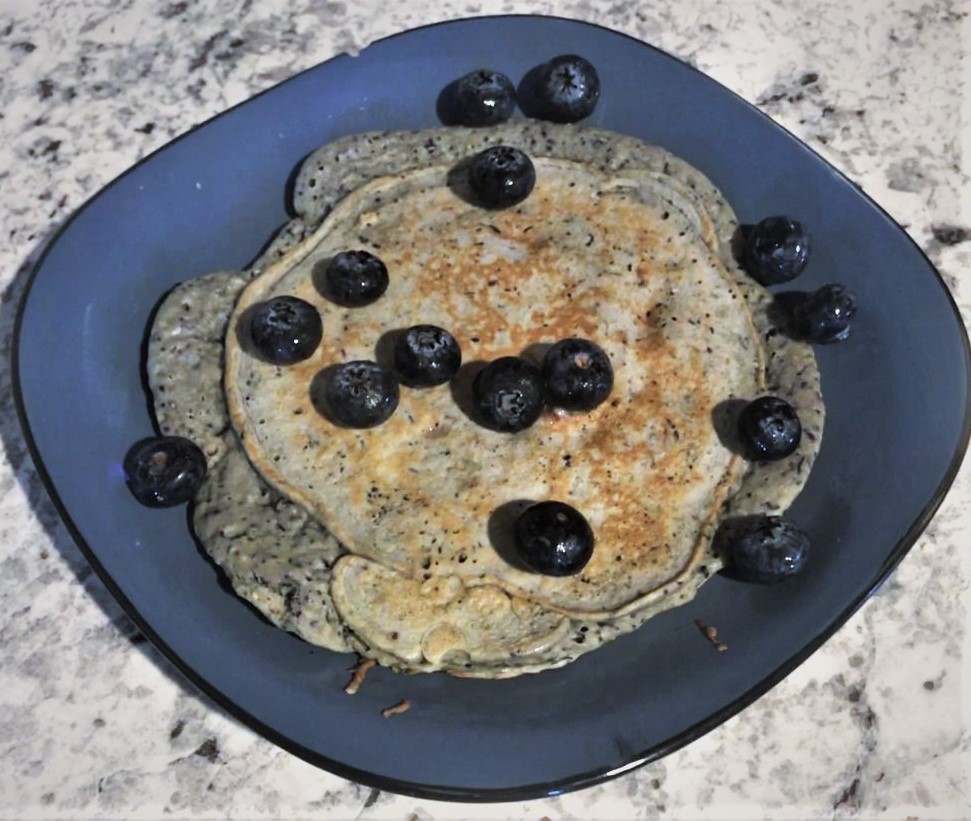
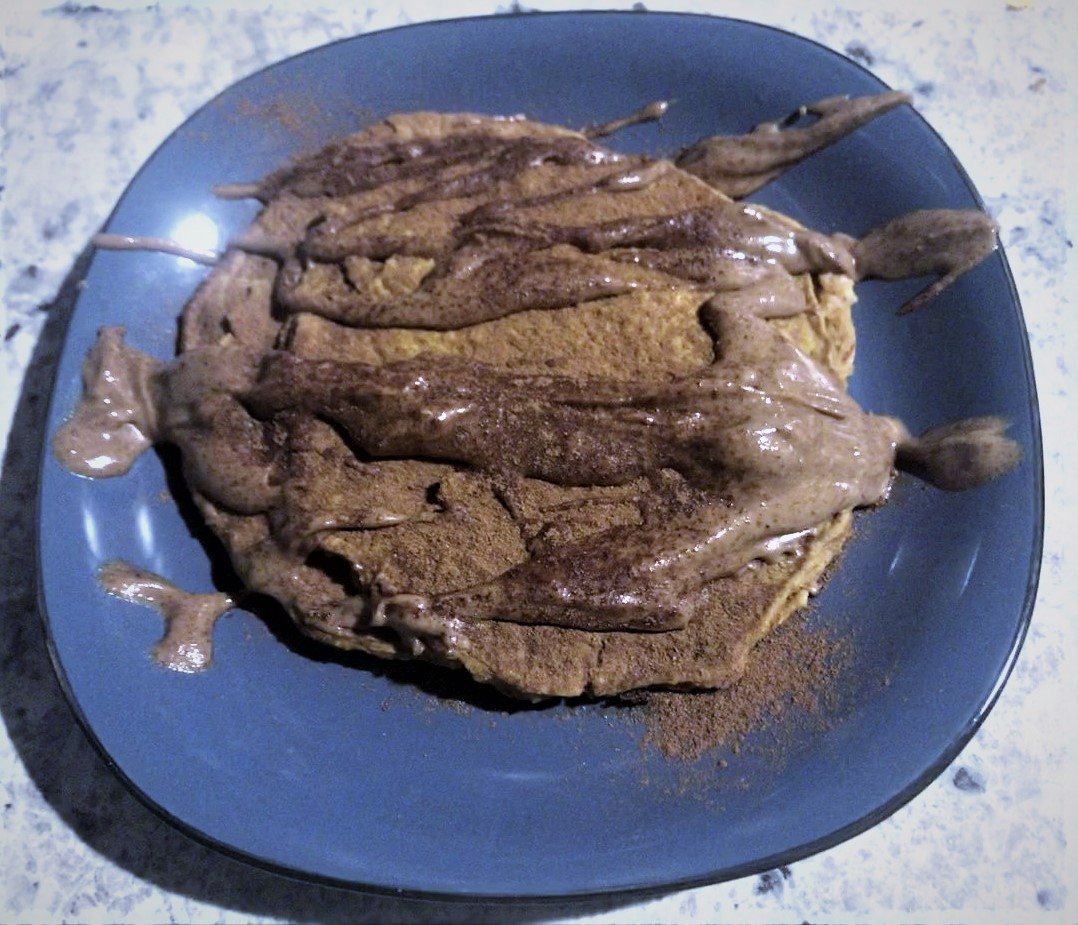
Making these basic ingredient pancakes: 1 scoop of Vanilla Orgain protein powder, 1/2 C or 1/3 C of oats (depends on how much carbs or how hungry you are), 1/4 to 1/3 C of egg whites, and 100g to 1/2 C of fruit of your choice. You can alter the proportions of ingredients based on you calorie and macronutrient goals are for your meals and for the day.

Some different flavors I’ve used are in the photos above, top left banana and blueberry, bottom left vanilla and pumpkin with almond butter and cinnamon, and vanilla strawberry with honey. What’s nice is they are simple ingredients can make in a big batch and stick extra pancakes in the freezer to continue to enjoy for days/ weeks after they are made.

Toppings to use….. if you have a sweet tooth stick to natural sweets aka fruit, honey drizzle, or nut butter to add more nutritional value besides sugar from syrup.

What flavors would you try or which way would you include more protein? Comment below!

Go back

Your message has been sent

Warning
Warning
Warning
Warning.